10 min read
Should You Buy a House With Foundation Problems?
What a home inspection report tells you about a foundation, who turns it into a real number before due diligence ends, and when to walk.
Read articleA closer look at foundations, chimneys and masonry, from the people who do the work.
What a home inspection report tells you about a foundation, who turns it into a real number before due diligence ends, and when to walk.
Read articleWhat homeowners policies commonly cover and commonly exclude when a foundation moves, why settling is usually left out, and who can answer for yours.
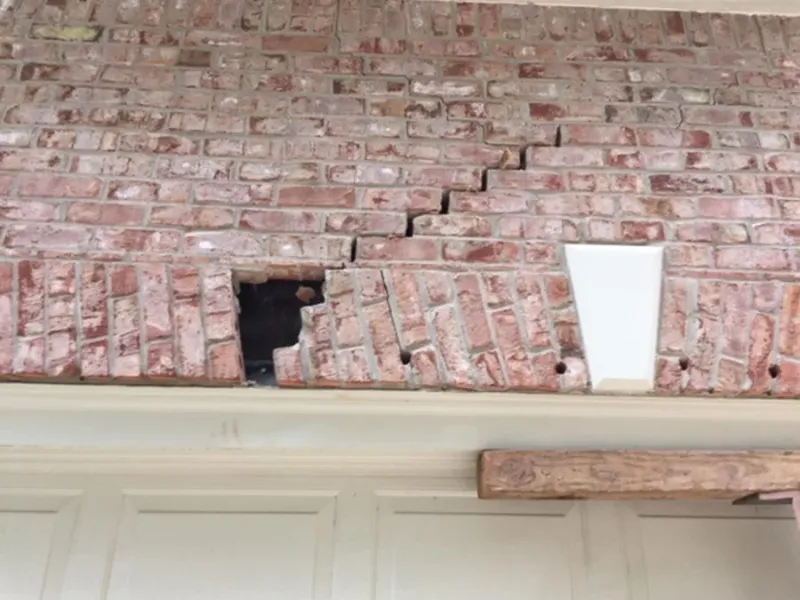
Read articleA crack over the garage opening means the steel above it is bending, or the ground under it moved. How to tell which one you have before you call.
Read articleUSDA rates the clay under metro Atlanta low shrink-swell. Here's what it really does to a footing: holds water, sits on a slope, and got moved.
Read articleThe difference is compression versus torque, and the weight of your structure decides which pier belongs under it. A plain comparison from a Marietta crew.
Read articleWhat a complete answer sounds like on pier count, depth, stabilize versus lift, warranty and the proposal, so you can judge any foundation repair quote.
Read articleHow to tell a cosmetic crack from a real foundation problem, what to check yourself, and when it isn't the foundation at all.
Read articleLeaning, bulging or sliding at the base: what each kind of retaining wall movement means, what the yard above it tells you, and when a wall can be anchored.
Read articleDeck posts stand on their own shallow footings, so a deck can go out of level while the house behind it stays put. What moves them, and how to tell.
Read articleWhich cracks in a concrete foundation are curing shrinkage, which are cosmetic, and which mean the footing moved. Width, direction and offset explained.
Read articleDirection is only one test. Sort a basement wall crack by width, movement, position and wall type, and find out which ones are genuinely nothing.
Read articleWhat pushes a basement wall inward, why block walls bow and poured walls don't, how to read the crack, and how to measure the bow yourself.
Read articleWhat a Level 1, Level 2 and Level 3 chimney inspection covers, who performs each one, and when a leaning chimney is a structural question.
Read articleWhy a backyard fireplace tips, sinks or pulls away from the patio, how to read the lean yourself, and what it takes to set it back. Atlanta masons since 1930.
Read articleCrumbling, flaking brick is called spalling. What makes the face pop off, which cases are cosmetic, and when it means the wall behind it moved.
Read articleWhat makes floors sag, how to tell a failed support from a moved footing from a floor that was never level, and how much lift is realistic.
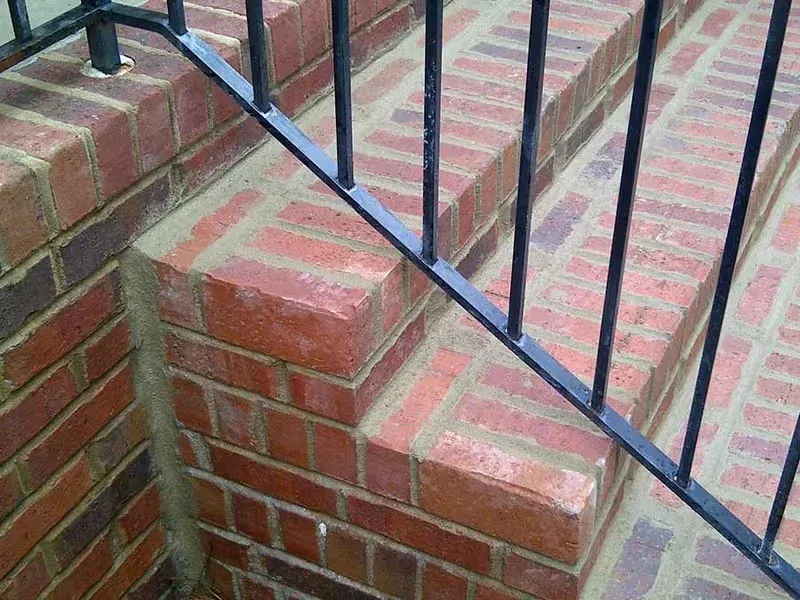
Read articleSinking front steps and stoops settle because the soil under their footings washes out. Here's how we lift them back without a teardown.
Read articleBrick separates when wall ties fail or the footing settles. How to tell which one you have, and why the wall can usually be saved.
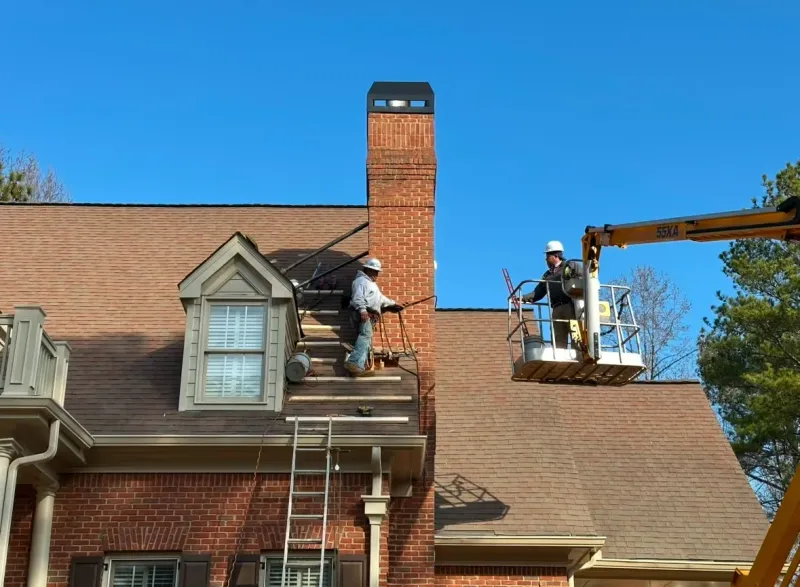
Read articleThree reasons a chimney leans, how to tell which one you have, and what it takes to straighten it. From Atlanta masons since 1930.
Read articleSinking concrete means the ground under it gave way. Here's how to tell a driveway problem from a settling house, and which trade fixes each one.
Read articleA porch column sinks when the small footing under it loses its ground. How to read the gap at the top, the dip in the roofline, and what moved.
Read articleA chimney crown is masonry, a chimney cap is metal, and a crack that runs down the brick is neither. How to tell which one you have.
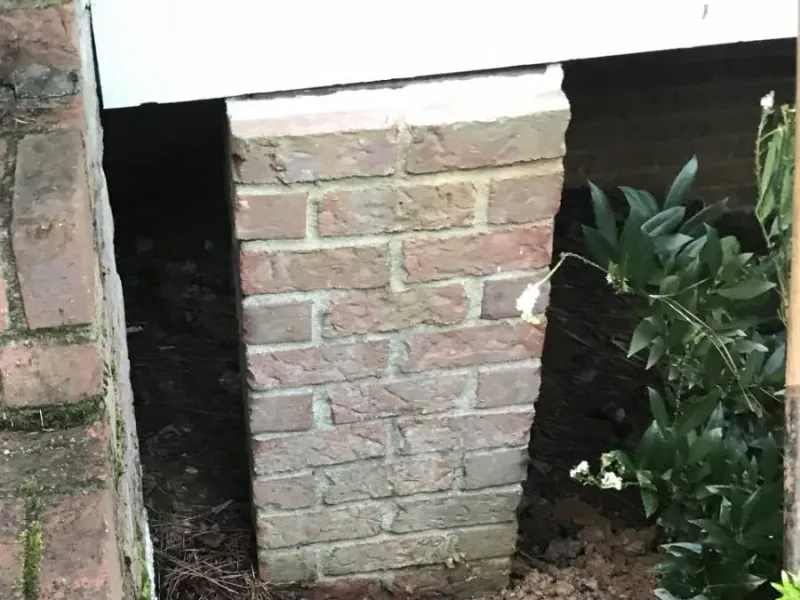
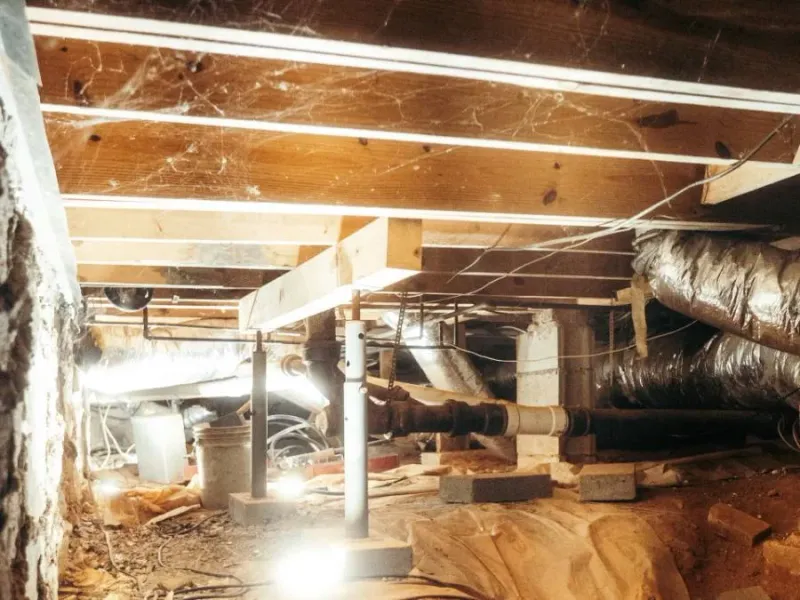
Read articleWhat the posts, piers and beams under your floor do, how to read the words in an inspection report, and why supports fail at the bottom.
Read article
Schedule your free estimate with a quick phone call.
770-422-2924