Services
Floor Leveling in Metro Atlanta
Floors that slope, sag, or bounce mean something underneath has given way, and it is not always the same thing. We find the real cause first, whether it is in the crawl space, the basement, or the foundation itself, then lift the floor back toward level and hold it there.
When the floor itself is what you notice
You do not need to know what is under your house to know something is wrong. A floor that slopes toward one wall, a soft spot that gives when you step on it, a room where a dropped marble rolls on its own. That is the symptom, and this page is about getting the floor back to level and keeping it there.
- Floors that slope, sag, or dip toward the middle of a room
- Soft, bouncy spots that give a little when you walk across them
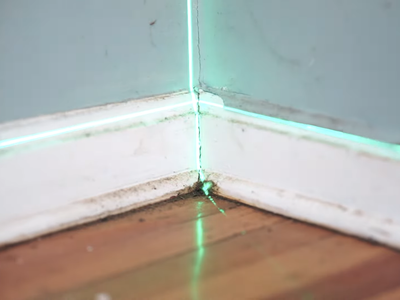
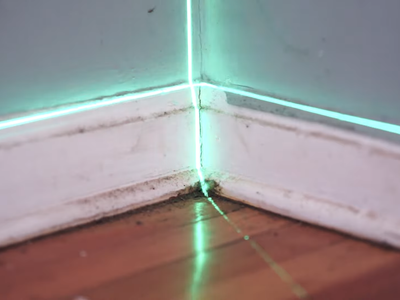
- Gaps opening up between the floor and the baseboards
- Doors and windows over the low spot that stick or will not latch
- Cracked tile or grout lines running across a floor
- A marble or a ball that rolls on its own when you set it down
One of these alone can be minor. Several together mean the structure carrying your floor has moved.
The same symptom, several different causes
This is the part that matters, because an uneven floor is not one problem with one fix. What we find underneath varies:
- Support failure in a crawl space. The posts, beams, and footings under the floor have settled or deteriorated. This is the most common cause we see.
- Support failure in a basement. The same idea in a different space, where a column or beam carrying an interior load has given way.
- A localized framing or support problem. Sometimes only one span is affected, from an undersized beam, a cracked joist, or a support that was never placed correctly.
- Foundation settlement. When a footing at the perimeter of the house sinks into unstable soil, the floor above it rides down with it, and no amount of work inside will hold it.
That last one is the reason we measure before we quote. Levelling a floor that is dropping because the foundation is moving is temporary by definition.
How we level a floor
We start by measuring the whole floor to map every high and low point and find the true cause. On larger or badly settled homes we bring in a 3D laser leveler to survey the entire structure at once, so nothing gets missed.
From there the repair is put together from whatever the house actually needs:
- Structural steel beams carrying the floor framing
- Vertical steel supports set where the load needs to come down
- Supplemental concrete footings poured to give those supports a solid base
- Controlled hydraulic lifting, taken slowly so finishes above are not cracked
- Reinforcing or splicing a damaged joist where that is part of the repair
- Foundation repair with structural piers when the real cause turns out to be settlement at the footing
We bring the floor back toward level rather than promising a perfectly flat result. How much correction is possible depends on the house, how far it has moved, and what the finishes above can take, and we will tell you honestly what to expect once we have measured.
If you already know the trouble is in the crawl space and want the detail on that support system, see our structural crawl space repair work. For the fuller story on why floors sag in the first place, read why are my floors sagging.